Lengthy earlier than Calgary’s western suburbs full of fashionable properties and commuter roads, a stretch of rolling foothills alongside the Bow River was dwelling to one of many metropolis’s most bold leisure experiments. Generally known as Comfortable Valley, this now-forgotten vacation spot as soon as drew households year-round with a mix of out of doors journey, amusement, and prairie ingenuity.
The story begins in 1959, when Calgary businessman Ernie Lutz bought a big parcel of land roughly six to seven miles west of town limits. On the time, the realm nonetheless fell throughout the Municipal District of Rocky View, and Calgary itself had a inhabitants of slightly below 300,000. Lutz, who had spent a decade working a ready-mix concrete enterprise, offered his firm in 1961 and turned his full consideration to creating the property. What started as a private challenge quickly advanced right into a daring imaginative and prescient: an all-season household vacation spot he hoped would change into a “Disneyland of Calgary.”
Development started in 1960, and Comfortable Valley formally opened to the general public on August 5, 1961. The early park emphasised easy, accessible out of doors recreation. Guests might take pleasure in playgrounds, picnic shelters, barbecue areas, scenic trails, and pony rides. Stocked trout ponds added a fishing part, making the park particularly interesting to households looking for a full day open air with out touring removed from town.
The idea shortly expanded. All through the early Nineteen Sixties, Comfortable Valley grew right into a multifaceted resort that blended amusement park options with conventional out of doors recreation. Additions included go-karts, trampolines, mini-golf, and a Par-3 golf course. A 50-meter indoor swimming pool prolonged the park’s usability past Calgary’s quick summer season season.
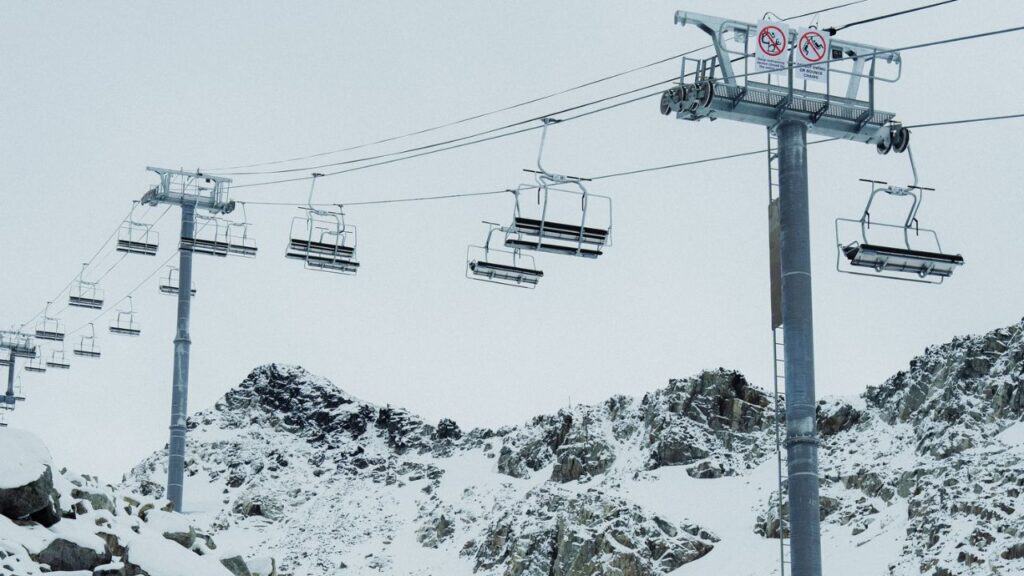
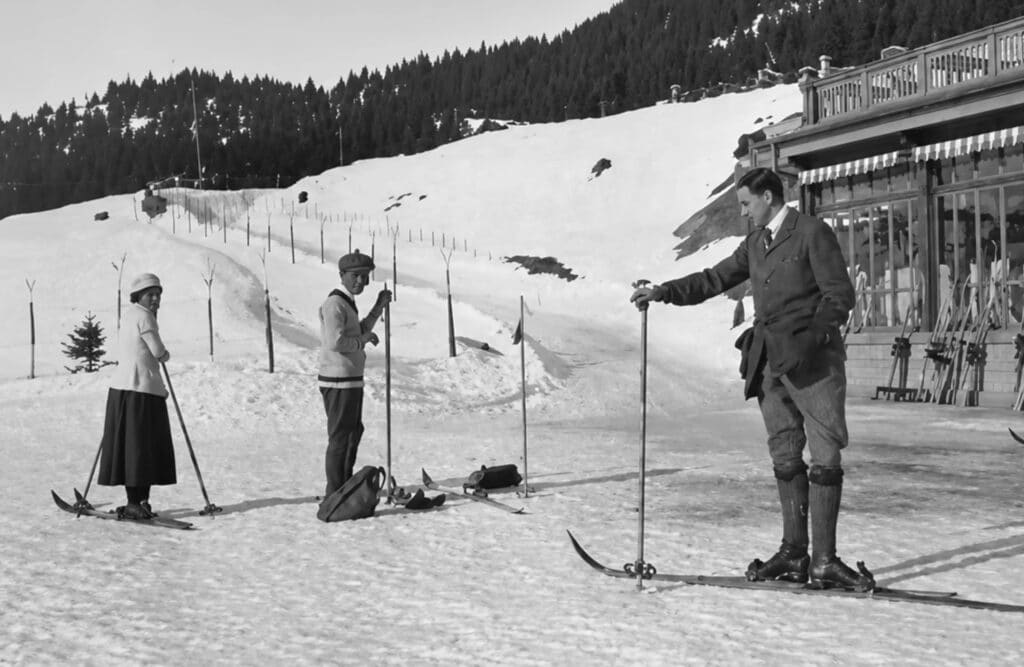
Winter operations grew to become a defining function. In 1962, a ski hill was added, reworking Comfortable Valley into a real year-round vacation spot. The hill featured 4 runs serviced by a Poma elevate able to transporting roughly 800 skiers per hour. Night time snowboarding was launched with put in lighting, and the hill was geared up with early snowmaking know-how, thought of superior for the period. Skating and tobogganing areas additional broadened its winter enchantment, providing Calgarians a handy different to longer journeys into the Rockies.
For a number of years, Comfortable Valley thrived as a preferred outing for native households. Its proximity to Calgary, mixed with its big selection of actions, made it a novel hybrid between a neighborhood park and a resort complicated. Nevertheless, this success proved tough to maintain.
In 1967, Lutz offered the property to an American funding group. Beneath new possession, upkeep declined and reinvestment lagged. As services aged, the park’s enchantment diminished. Makes an attempt have been made to promote the property to the Metropolis of Calgary, however council rejected the proposal, citing its distance from town, on the time a call that in hindsight displays how dramatically Calgary’s city footprint would later broaden.
The property modified fingers once more in 1974, and in 1976 it was bought by native businessman Bob Allen for about $4 million. Allen tried to revive the location and launched additional improvement, together with the 18-hole Valley Ridge Golf Course. Regardless of these efforts, the broader leisure panorama was altering. Improved entry to the Rocky Mountains, shifting leisure tendencies, and the prices of sustaining getting older infrastructure all contributed to the park’s gradual decline.
By the Nineteen Eighties, Comfortable Valley ceased operations. What had as soon as been a vigorous hub of household exercise light into disuse, its buildings eliminated or repurposed. A decade later, in 1992, the realm was redeveloped into the residential neighborhood of Valley Ridge, integrating the previous leisure land into Calgary’s increasing suburban edge.
At this time, little bodily proof stays of Comfortable Valley’s heyday. But its legacy provides a compelling snapshot of mid-Twentieth-century leisure ambition on the Canadian prairies. It displays a time when native entrepreneurs sought to carry destination-style experiences nearer to dwelling, mixing parts of amusement parks, ski hills, and pure landscapes right into a single, accessible surroundings.
In some ways, Comfortable Valley anticipated fashionable tendencies in all-season recreation, multi-use areas, family-oriented design, and the combination of constructed sights with pure terrain. Its rise and fall additionally mirror broader patterns seen throughout North America: privately developed leisure parks struggling to compete with bigger locations, altering journey habits, and the regular outward progress of cities.
What was as soon as thought of “too removed from town” now lies nicely inside Calgary’s city boundary, a quiet reminder of how landscapes, just like the communities that inhabit them, are continually evolving. Comfortable Valley could also be gone, however its story stays an everlasting chapter in Calgary’s leisure and cultural historical past.
Classes: CaliforniaSki Information
Source link