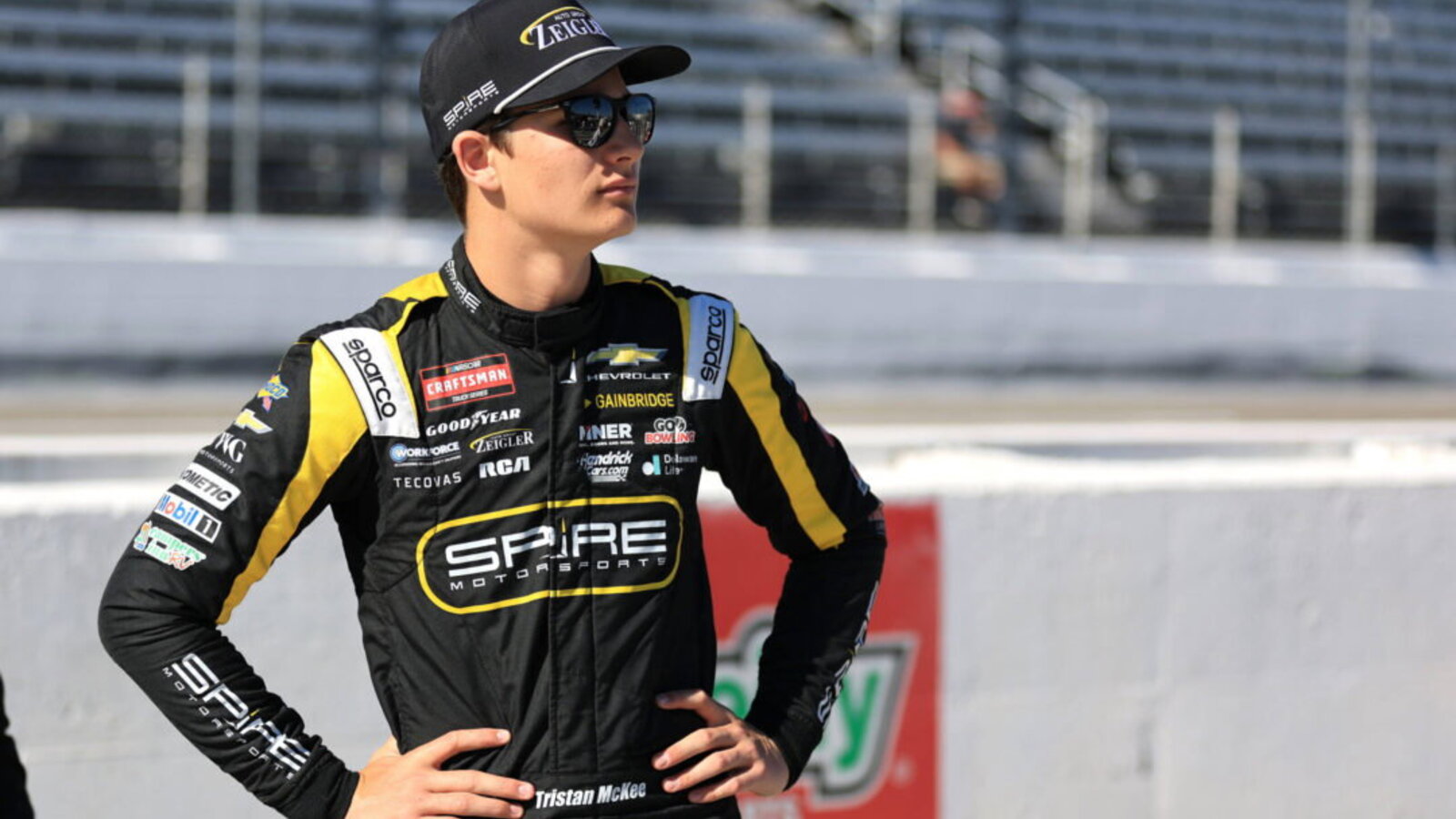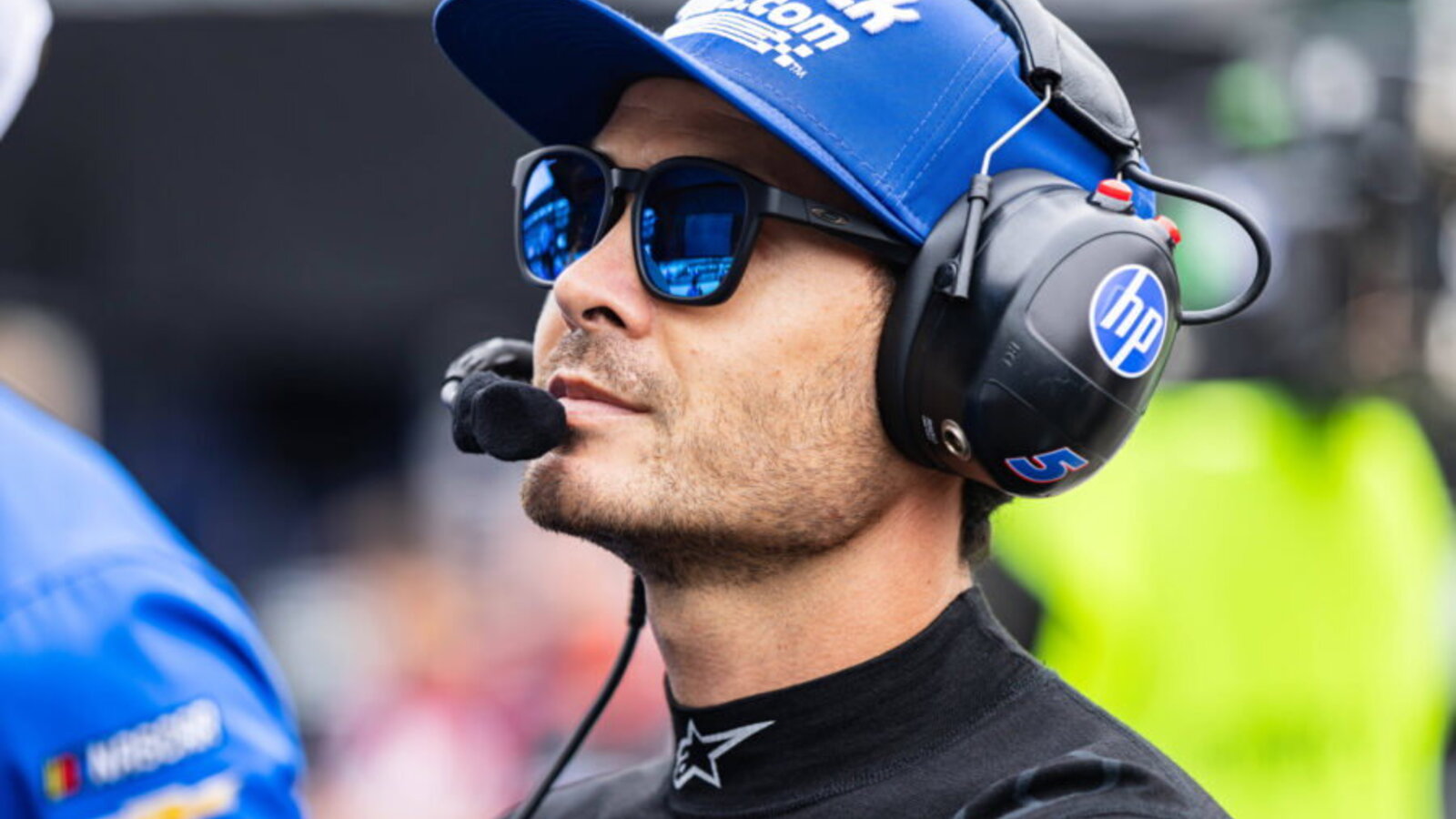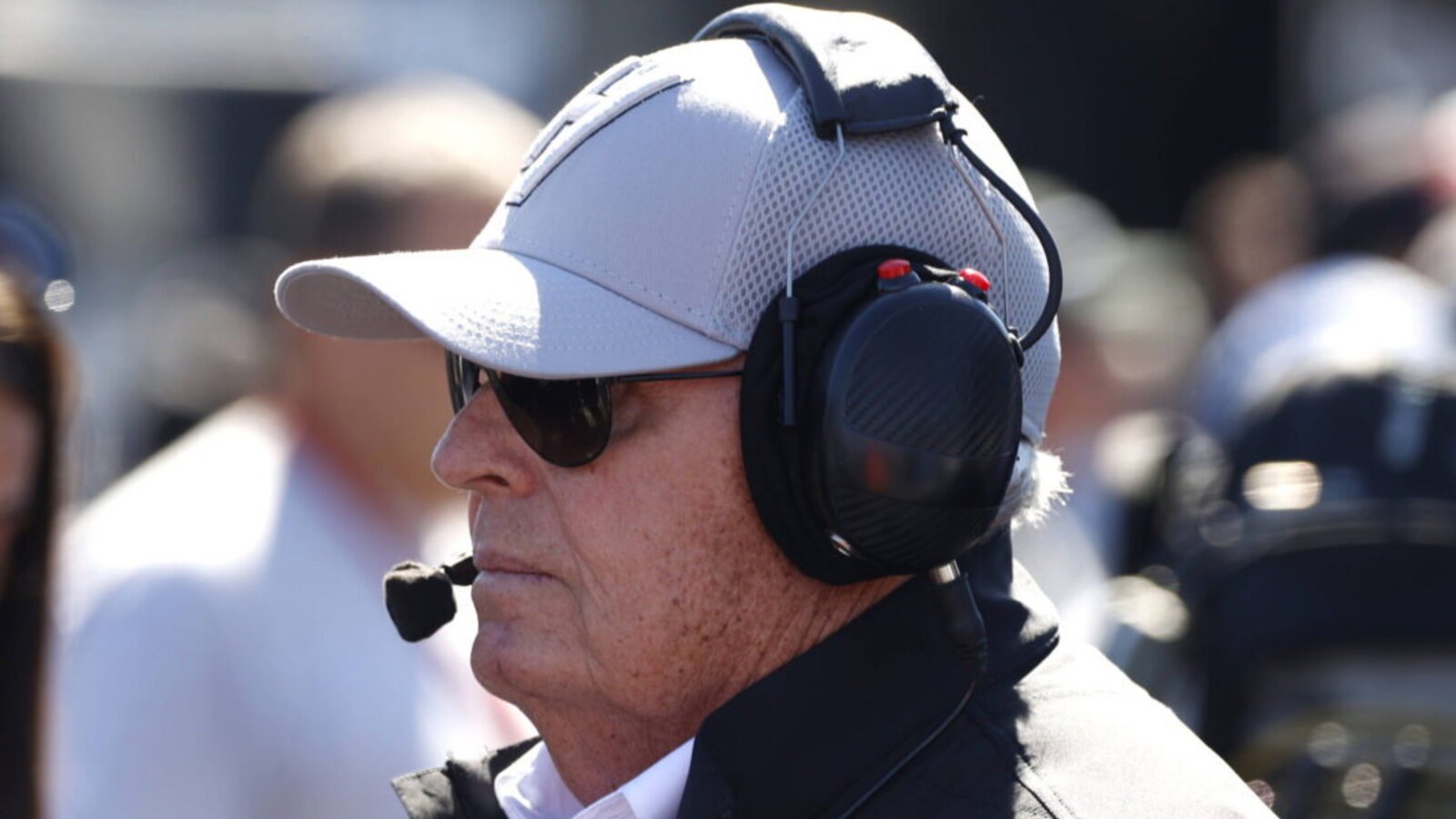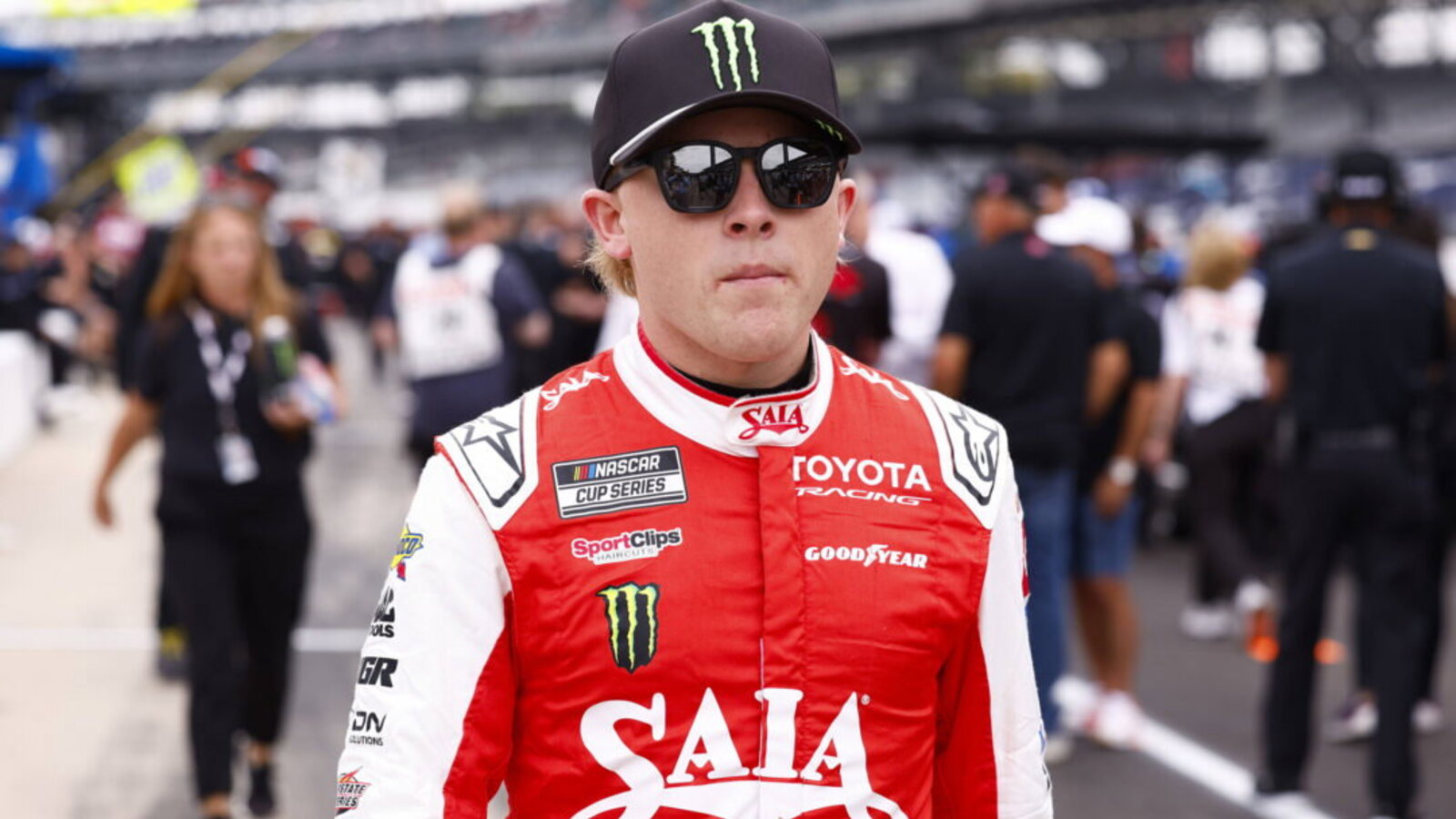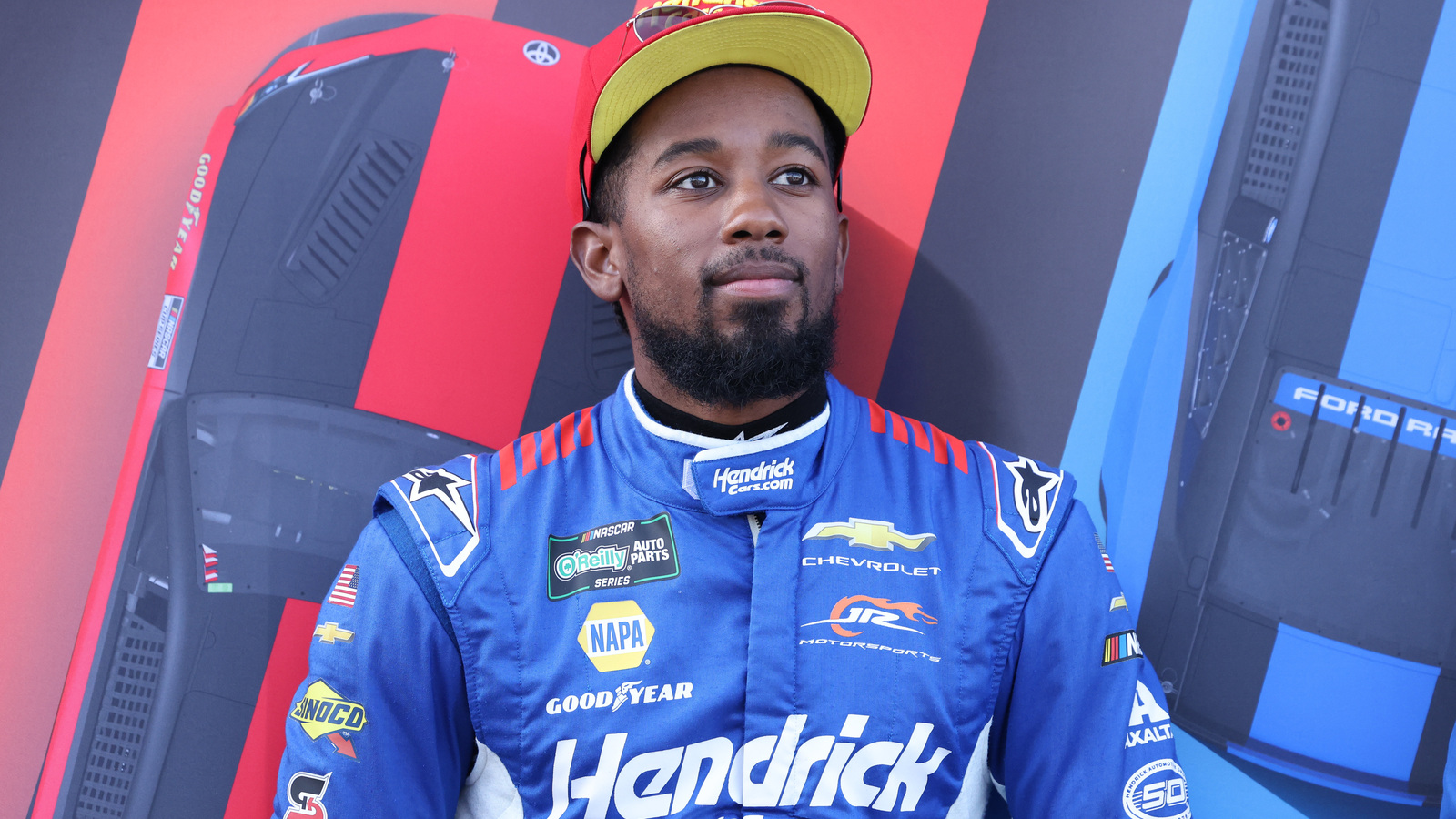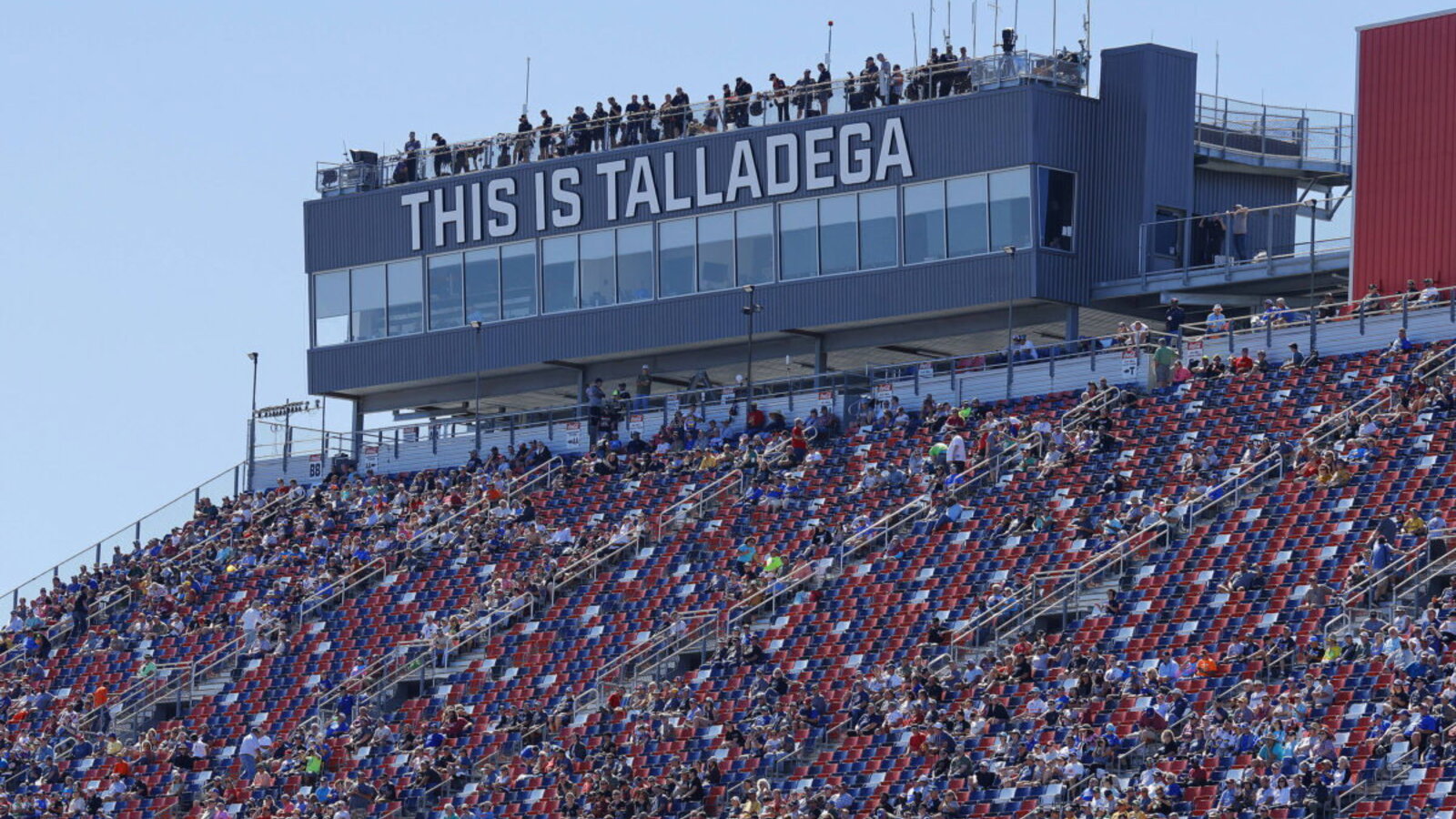
At Talladega Superspeedway, three automobiles as soon as pulled away from the sphere as a result of they had been prepared to do one thing their rivals had been making an attempt to keep away from: race.
Ryan Preece, Brad Keselowski and Chris Buescher pushed collectively whereas a lot of the sphere saved gas. Their transfer helped Buescher win the opening stage of the October 25 YellaWood 500. It additionally uncovered an issue NASCAR has struggled to repair. When saving gas turns into the smart strategy to compete, drivers can spend a race managing their tanks as a substitute of combating for positions. Former Cup Collection crew chief Cole Pearn has had sufficient of that calculation. His proposed resolution is as old-school because it will get.
“Speedway races must be known as with one crew chief with a radio, clipboard and a calculator. No engineers, no web, cell blockers up. No approach the racing gained’t be improved. Additionally saves time and money on this silly ass races.”
Pearn posted these phrases on X as a suggestion, however there’s a cause his opinion carries weight. He gained the 2017 Cup Collection championship with Martin Truex Jr. at Furnishings Row Racing, constructing a repute as one of many sport’s sharpest crew chiefs. He understands how groups use info to achieve a bonus. Now, he needs NASCAR to take a few of that info away.
NASCAR modified the automobiles, however the groups stored discovering causes to avoid wasting gas.
The frustration makes extra sense once you take a look at what NASCAR has already tried. Superspeedway races are alleged to carry the sphere collectively, with automobiles operating shut sufficient to draft behind each other and make strikes for the lead. But that very same pack racing creates a tactical drawback. One dangerous resolution can depart a driver trapped in visitors, whereas a well-timed pit cease can change your complete operating order.
Gas saving provides one other layer. Drivers elevate off the throttle early, coast by way of components of the observe and attempt to make their gas last more. That may assist them keep away from an additional pit cease or acquire positions when others want gas. The catch is that everybody making an attempt the identical technique can sluggish the race down.
NASCAR shortened the ultimate two levels at Talladega in April to cut back the inducement to preserve gas. It additionally launched a revised superspeedway bundle for Daytona Worldwide Speedway in August, decreasing engine output from 510 to 465 horsepower and slicing the rear spoiler from seven inches to 4. For Talladega, the spoiler was diminished additional to three.5 inches.
The adjustments had been supposed to enhance passing and provides drivers extra management over their automobiles. However the opening stage at Talladega confirmed why altering the {hardware} can not remedy each drawback. Preece, Keselowski and Buescher discovered velocity by working collectively, whereas the bigger pack centered on stretching its gas.
That’s the place Pearn’s proposal will get fascinating. He’s not asking NASCAR to offer drivers extra horsepower or one other aerodynamic adjustment. He needs to vary the way in which groups make selections throughout the race.
Pearn needs to take the computer systems out of the dialog
A contemporary Cup Collection crew chief does far more than inform a driver when to pit. Engineers examine information, groups monitor gas use, and specialists assist calculate one of the best technique. Radio communication retains that info flowing whereas the race unfolds. These instruments could make the distinction between profitable and shedding, so no workforce can merely ignore them when their rivals are utilizing each benefit out there.
Pearn’s concept would strip that course of again to at least one crew chief, a radio, a clipboard and a calculator. With out engineers or web entry, groups would have much less info to work with. Blocking cell alerts would go even additional, though NASCAR would face apparent sensible questions on imposing such a rule at a serious sporting occasion.
There’s one other complication. A crew chief doesn’t want a pc to know that saving gas may enhance a driver’s probabilities. Even with a clipboard, the identical incentives would stay. If conserving gas helps a workforce acquire observe place, eradicating its engineers is not going to routinely make operating flat out the smarter selection.
Nonetheless, Pearn’s level goes past the tools. NASCAR can hold adjusting spoilers, horsepower and stage lengths, however groups will proceed exploiting no matter guidelines provide them a bonus. His proposal challenges the rising quantity of data shaping selections that followers would quite see settled on the observe.
The end at Talladega supplied a reminder of what the game can ship. Kyle Larson fought again by way of the sphere and beat William Byron by 0.041 seconds, incomes his first Talladega victory. The closing laps gave followers the battle they got here to look at, even after the sooner fuel-saving debate.
Pearn’s overhaul is unlikely to reach in its literal type. But his criticism leaves NASCAR with a troublesome query: if groups hold discovering causes to not race at full velocity, ought to the game hold altering the automobiles, or begin altering the principles that reward them for holding again?