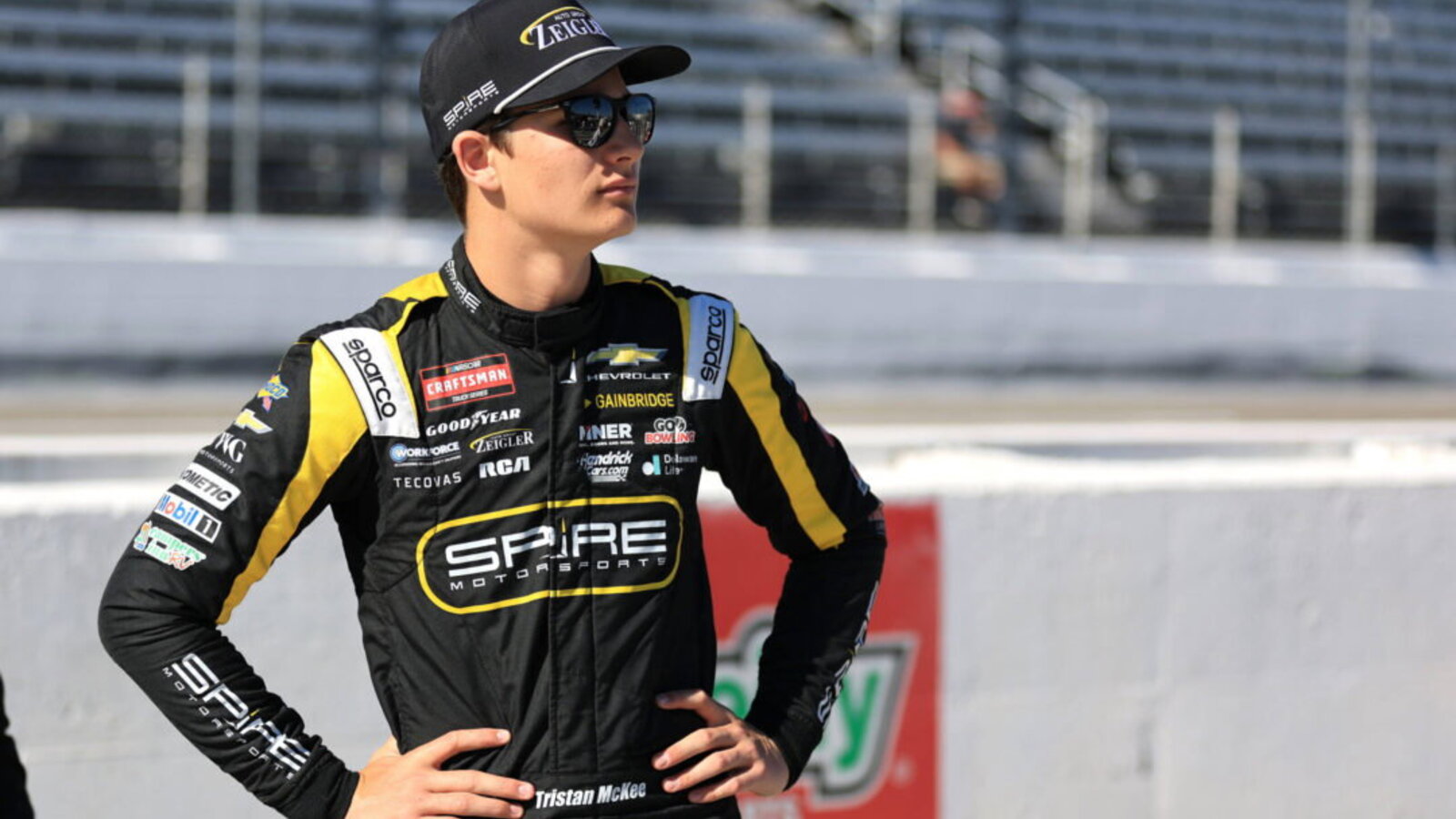
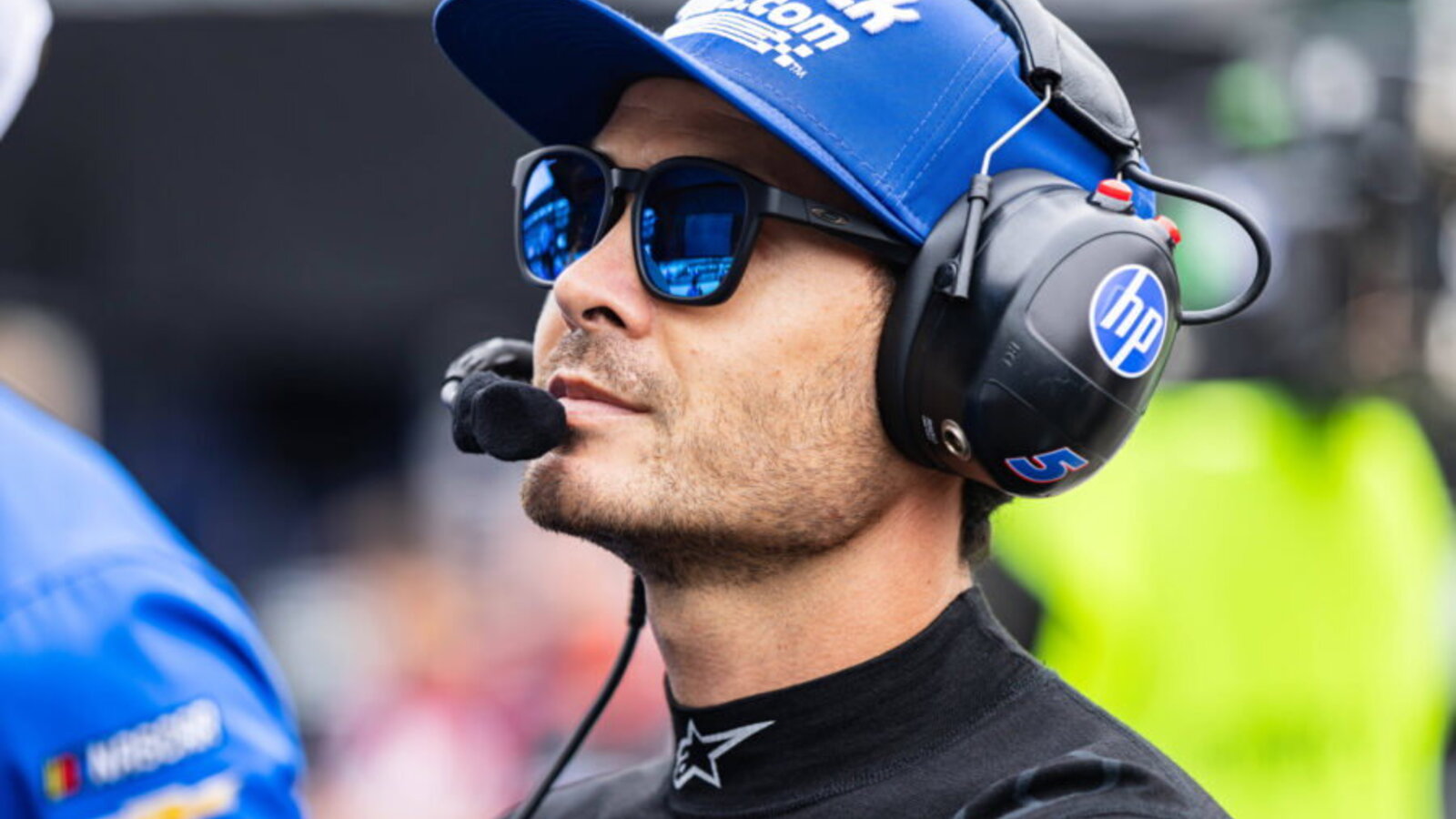
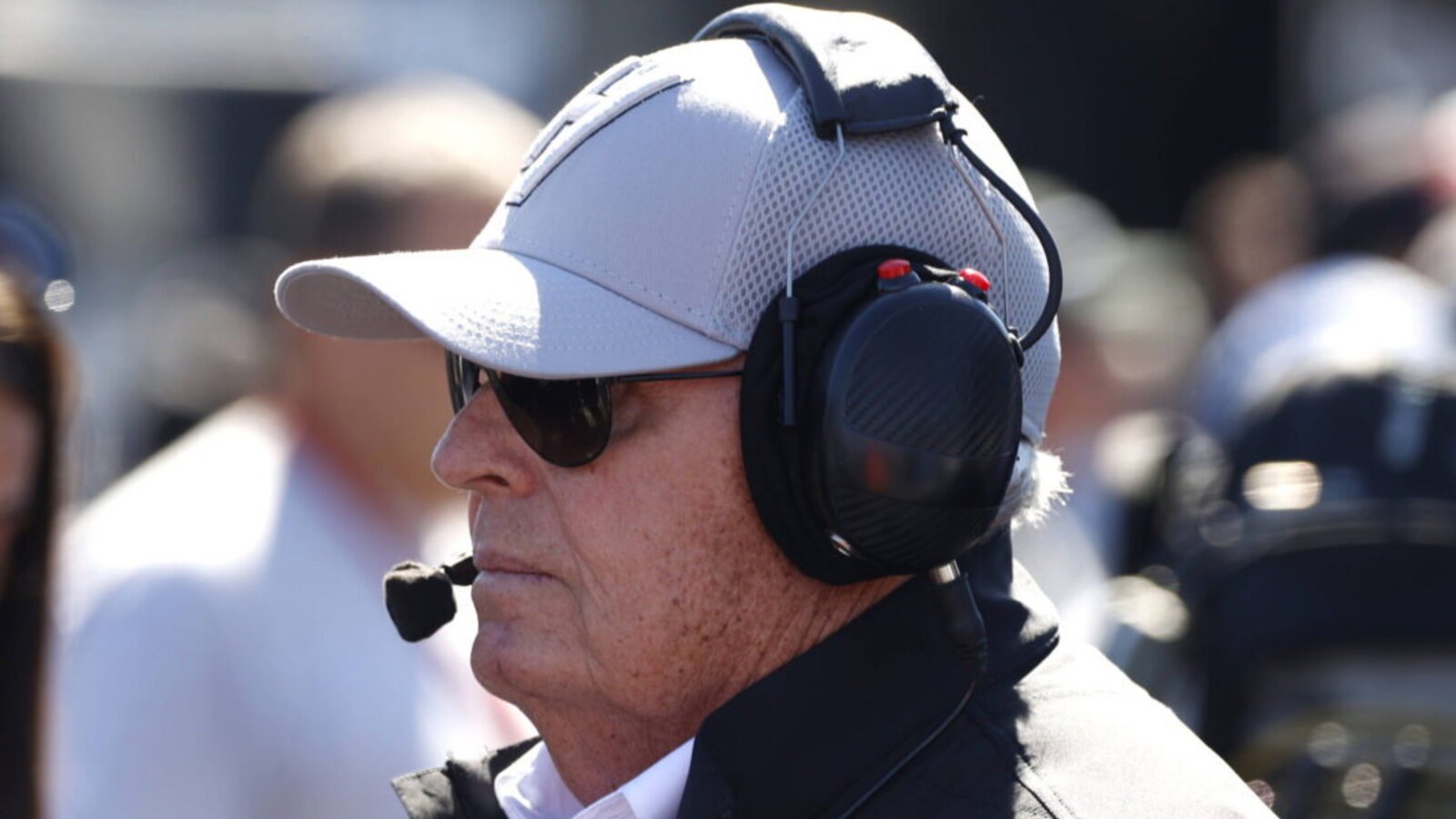
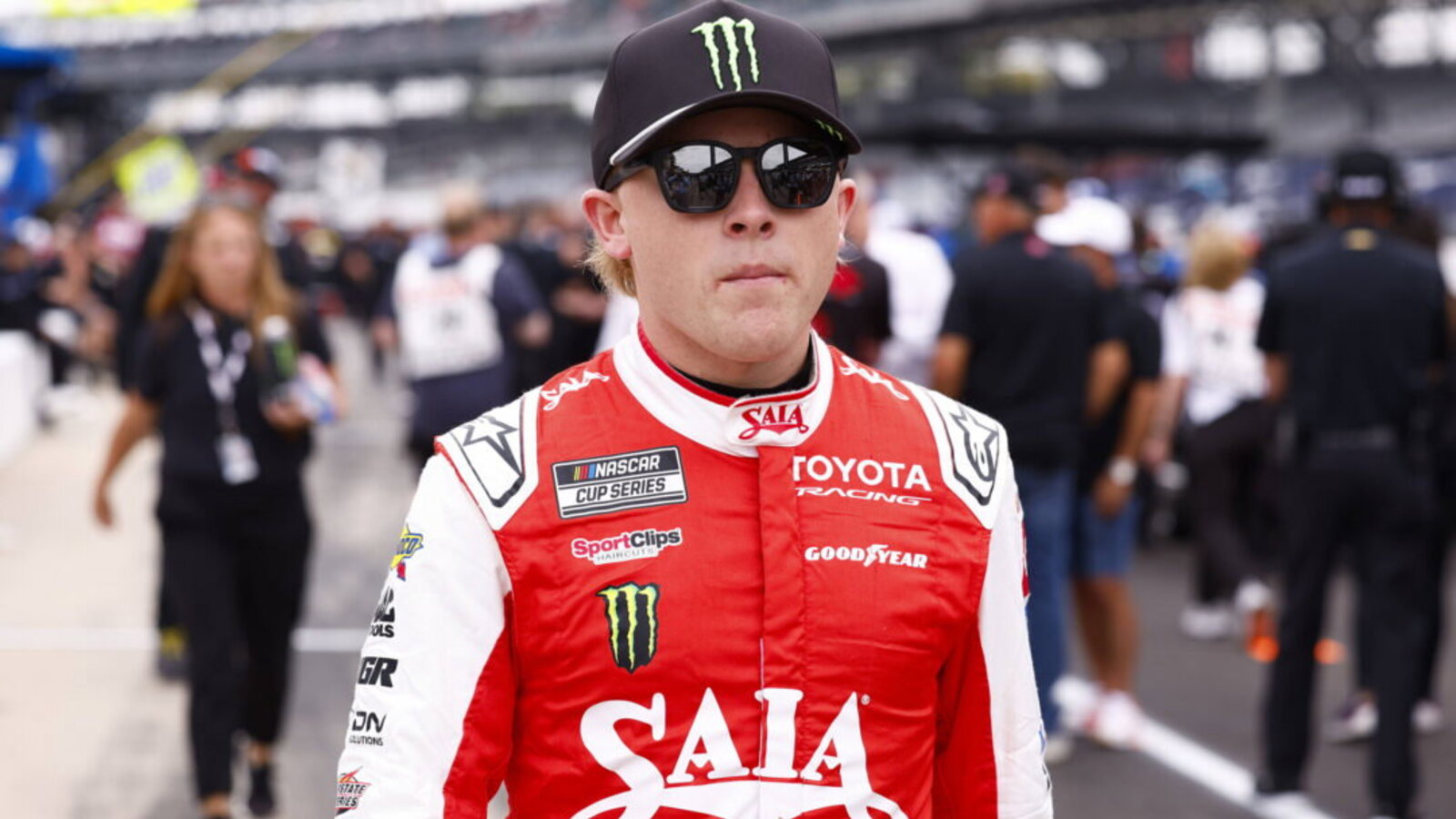
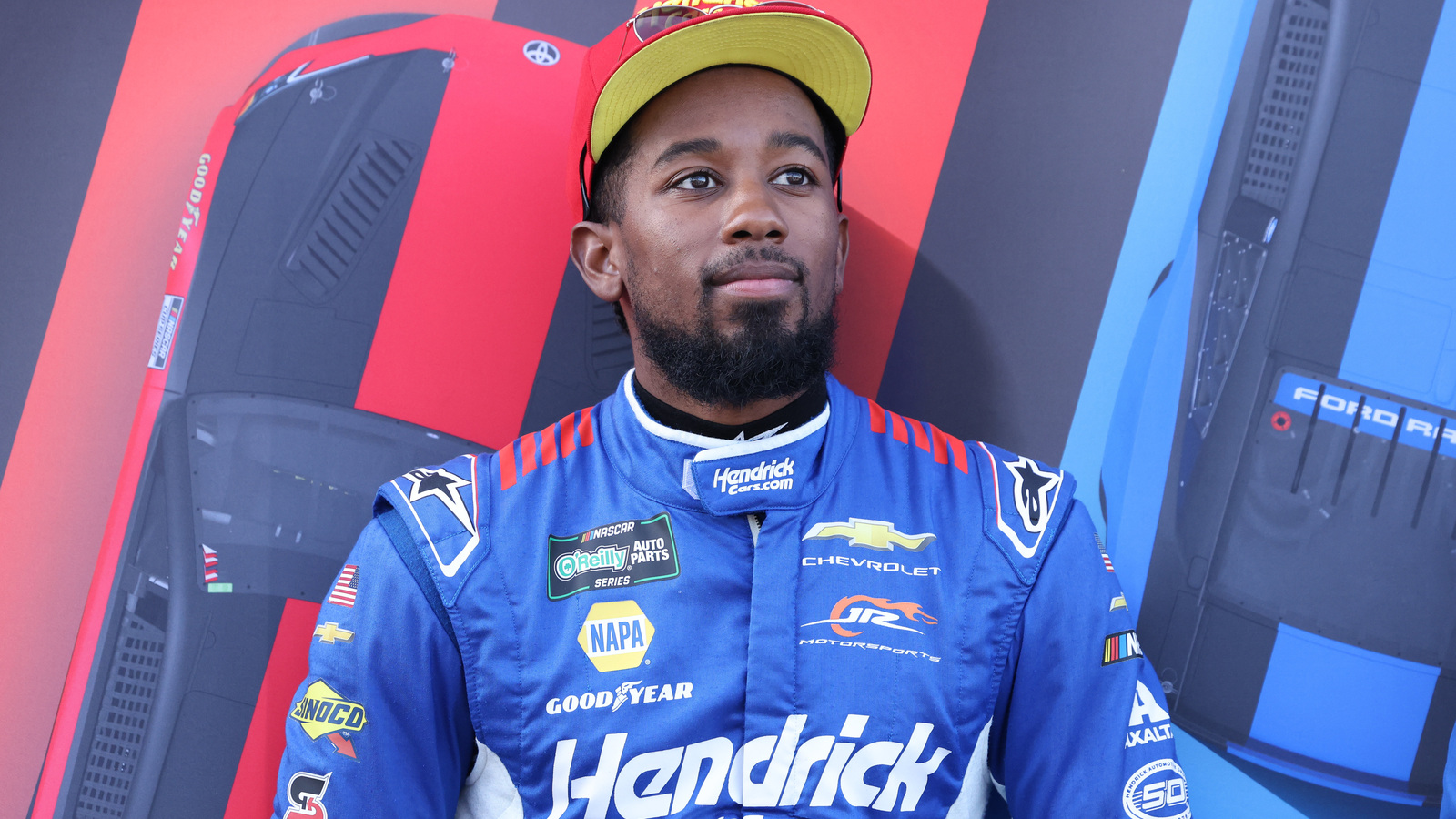
On August 29, at Daytona Worldwide Speedway, Ryan Preece gained the Coke Zero Sugar 400 in his 249th Cup begin. It gave RFK Racing its first Cup win of 2026 and gave NASCAR’s new superspeedway bundle its first actual check. The modifications have been seen within the numbers. A smaller spoiler, much less energy, 41 lead modifications amongst 22 completely different leaders. Ask the drivers what they thought, although, and the image falls aside nearly instantly.
Chase Briscoe referred to as it “approach higher.” Denny Hamlin stated should you wished to get to the entrance, you might. Chase Elliott was buying and selling passes with Zane Smith, and Daniel Suarez felt like runs have been simpler to construct.
Then, Brad Keselowski stated he couldn’t inform the bundle had modified. Christopher Bell stated the vehicles drove “the very same,” and Carson Hocevar described the general outcome as “tremendous related.”
In order that’s objectively the identical race, similar bundle, and but, fully completely different experiences relying on who was driving. That cut up is the premise of what we’ll be protecting additional, as a result of it tells you extra about what NASCAR is definitely coping with than any of the race statistics do.
Ryan Blaney had already laid out the core drawback 4 months earlier, after the Talladega Superspeedway spring race. “We’re both gasoline saving, or we’re operating throughout one another as a result of that’s simply what this automobile is, and that’s how you progress ahead.”
That was April, earlier than NASCAR modified the spoiler, earlier than the horsepower reduce, and earlier than the August experiment. A driver had already described precisely what the bundle change was going to be up in opposition to, and he described it with out mentioning the automobile’s specs in any respect.
What the bundle really modified
The specifics matter right here. The rear spoiler went from seven inches to 4, engine output dropped from 510 horsepower to 465 by a smaller tapered spacer, and NASCAR additionally reworked the spoiler-deflection system, added new spoiler braces, and carried over wider splitter stuffers from the intermediate monitor setup. A solo automobile could be roughly two to a few miles per hour quicker, whereas pack speeds would keep broadly related.
With a seven-inch spoiler, a driver who pulled out of line might lose nearly all of his momentum within the soiled air behind the automobile forward. The smaller spoiler was meant to present him sufficient separation to construct a run as an alternative of hitting an aerodynamic wall the second he moved out of the draft. So this was by no means actually about making the vehicles quicker. NASCAR was making an attempt to vary what drivers might do as soon as they received into site visitors, and, extra importantly, what they’d select to do. That distinction received misplaced in plenty of the controversy across the change.
John Probst, NASCAR’s govt vice chairman of racing growth, stated they’d extra aggressive choices on the desk in August, however determined in opposition to utilizing them. It wasn’t as a result of these modifications didn’t work. The issue was that one thing that important wanted a correct multi-car check earlier than NASCAR might put it right into a race. The four-inch spoiler and 465 horsepower ended up being the mix they felt confirmed probably the most promise with out including one other layer of danger.
Inside NASCAR, this wasn’t being handled as a repair. It was a check constructed round a fairly easy query: would these modifications give drivers extra freedom to race? The race itself gave them a combined reply. Some drivers stated they genuinely felt they’d extra freedom. Others barely seen a distinction. And by the tip of the race, the precise habits NASCAR was making an attempt to discourage, gasoline saving, was nonetheless very a lot a part of the equation.
None of which means the bundle failed. It means the query they have been asking didn’t get a clear reply but. Probst was direct about why that final half is so exhausting to deal with. “It is a device now that the groups know.”
As soon as groups discover that gasoline conservation produces higher outcomes than burning it, they maintain utilizing it till the system makes it cease working, and a smaller spoiler doesn’t robotically change that payoff.
The rulebook tried first
Earlier than anybody touched the automobile, NASCAR had already tried fixing this by sporting guidelines. At Talladega in April, the stage construction modified from 60/60/68 laps to 98/45/45, with the logic being: shorten the ultimate two phases so drivers can theoretically full them with out stopping for gasoline, and also you take away the motivation to carry off and protect what’s within the tank.
The sector saved gasoline by the opening stage anyway, then the racing intensified, and 26 vehicles crashed initially of the ultimate stage. Then everybody reorganized again right into a two-by-two formation the place passing was tough once more. Blaney’s two behaviors performed out in sequence, in a single afternoon, after NASCAR had already restructured the aggressive atmosphere across the automobile.
NASCAR modified the foundations, and the habits survived. Then it modified the automobile, and the habits survived once more. That sample will not be a coincidence, and understanding why it retains taking place requires wanting on the incentives fairly than the specs.
NASCAR modified the foundations, and but the habits was constant. It then tried altering the automobile, to no impact in that space. While you discover such a sample, it can’t be handed off as a coincidence. There’s an incentive-driven reply to this fairly than the specs.
There’s a motive drivers at Daytona and Talladega don’t race flat-out for 500 miles. Most of the time, the blokes who win are those who waited. Saving gasoline at a superspeedway provides a driver choices late within the race that the man behind him may not have. He can keep out an additional lap, pit at a special time from the vehicles round him and, if every part works out, come again onto the monitor on the entrance. At these tracks, attending to the lead with out really passing a bunch of vehicles is nothing uncommon. These choices might be price excess of no matter a driver positive factors by racing aggressively early and paying for it when the race will get to the closing laps.
The producer piece works the identical approach. Chevy guys run with Chevy guys; likewise, Ford guys stick with the Fords. Toyota does the identical factor. They share gasoline numbers, coordinate after they pit, and maintain one another within the draft. That construction is what retains all of them transferring.
If the second of them peels off alone, with out a single automobile keen to go together with him, it falls aside quick. That’s as a result of he’ll virtually get no aerodynamic cowl or momentum, and all of a sudden he’ll be preventing to remain on the lead lap as an alternative of racing for the win.
The velocity ceiling
Essentially the most direct technical repair for all of that is making the vehicles genuinely tough to drive at superspeedways: strip sufficient downforce away, and drivers must handle each nook; create actual velocity variations throughout the sector, and there may be lastly a motive to assault fairly than wait. Denny Hamlin spent months pushing for precisely this type of change, pointing to EchoPark Speedway close to Atlanta because the mannequin, since at that 1.54-mile monitor the floor turns into grip-limited because the race goes on, vehicles sluggish at completely different charges, and a quicker automobile can run down a slower one on benefit. He wished Daytona and Talladega to supply one thing related, the place driver ability creates actual separation fairly than aerodynamic positioning figuring out every part.
The issue is physics. Eradicating downforce at superspeedway speeds produces extra velocity, and extra velocity on 31-degree banking with 40 vehicles in a pack will not be a racing drawback; it’s a security one. Mike Forde, NASCAR’s senior vice chairman of racing operations, raised this instantly in April when Hamlin was pushing for a extra aggressive spoiler discount, noting {that a} important drag reduce might push speeds towards 210 miles per hour.
NASCAR already solved this drawback as soon as: Invoice Elliott certified at Talladega at 212.809 miles per hour in 1988, and restrictor plates confirmed up earlier than the race began. The margin between tougher to drive and dangerously unpredictable will not be extensive, and NASCAR can’t pursue the make-the-car-harder-to-drive method with out that ceiling coming into view pretty rapidly.
Bubba Wallace made the sensible model of the identical level earlier than August, expressing concern that no person had examined the brand new configuration in heavy pack site visitors and that the concern was a Flip 1 crash on the opening lap as a result of the aerodynamic habits in a bunch was unknown. That’s not a trivial concern if you find yourself intentionally lowering stability at superspeedway speeds.
Atlanta additionally illustrates why the comparability Hamlin retains making has limits. EchoPark Speedway is 1.54 miles with progressive banking and a floor that wears in a particular approach, whereas Daytona is 2.5 miles and Talladega is 2.66, which means the aerodynamic atmosphere 40 vehicles create at these distances is categorically completely different from what occurs at a shorter intermediate monitor.
Hamlin acknowledged this himself, noting that the scale and velocity of each venues produce fewer pure alternatives to separate the sector. NASCAR can’t transplant what develops organically at Atlanta and anticipate it to indicate up at a drafting oval the place every part concerning the aggressive scale modifications.
The place this really goes
The Coke Zero Sugar 400 had actual enchancment in sure areas. Elliott and Smith have been buying and selling the lead by pulling out of line and finishing real passes, Hamlin felt the race was much less gridlocked, and Briscoe felt like drivers had precise choices all through the sector. The race gave out 41 lead modifications and 22 completely different leaders, and the sector was not merely frozen into one formation for 160 laps. These observations usually are not nothing, and calling the experiment a failure could be studying the outcomes fallacious.
However Motorsport.com’s post-race evaluation discovered that gasoline saving remained a big a part of the race and that the horsepower discount could have really made sure fuel-stretching approaches simpler in particular circumstances. There was additionally the late warning that NASCAR later admitted ought to have been a purple flag, after an incident involving Carson Hocevar and Erik Jones left oil in opposition to the skin wall on 31-degree banking the place NASCAR’s vacuum truck couldn’t attain it. The sector sat beneath yellow for 9 laps whereas the cleanup continued, and in a fuel-sensitive race, 9 laps of warning will not be a impartial occasion. It modifications each calculation on each pit field within the storage, which isn’t a automobile drawback or a bundle drawback. It goes on to indicate what number of variables are literally shaping the race at any given second, most of which no spoiler adjustment touches.
The following actual knowledge level comes at Talladega Superspeedway on October 25. That race will probably be extra revealing than Daytona as a result of Talladega takes every part that made the spring race sophisticated and turns up the amount. The monitor is 2.66 miles, the packs get larger, the straights are longer, and producer alliances develop into extra pronounced as a result of there may be merely extra floor to cowl between every important second. If the October race has extra motion in site visitors alongside persevering with gasoline conservation, NASCAR may have one thing a lot clearer than one August outcome to work with.
After that, the January 2027 Preseason Thunder check at Daytona is the place the extra managed work occurs. A number of horsepower ranges, a number of spoiler configurations, and doubtlessly different automobile modifications, all examined in an atmosphere the place groups can really examine setups instantly fairly than drawing conclusions from a single race weekend. Probst confirmed that NASCAR’s desire was all the time to run a correct check session earlier than making extra aggressive modifications.
August occurred as a result of the issue had develop into pressing sufficient that ready was now not an choice. January is the session NASCAR wished to have first. January lastly provides the game the situations it wanted within the first place, and the sequence that follows is obvious: August was the experiment, October is the second knowledge level, January is the managed check, and February’s Daytona 500 is the place all of it must be utilized in a race NASCAR can’t use as a laboratory.
Forty drivers are making rational selections inside a system that rewards particular behaviors. The spoiler modified one enter into these selections, and the stage lengths modified one other.
However the underlying calculation stays the identical: gasoline conservation, producer cooperation, and track-position safety nonetheless give higher outcomes than aggressive, impartial racing so long as the aggressive incentives stay pointed in the identical path. That may be a tougher drawback than spoiler peak, and it’s the one NASCAR goes to be engaged on effectively previous January.